
Sustainability & Land Stewardship

Responsible forestry, long-term thinking
At KSM Forest and Land, sustainability isn’t a marketing phrase — it’s just how we work. Every job we take on, from felling to replanting, is approached with care for the land, compliance with regulation, and respect for what comes next.
Whether we’re clearing a site for development or helping an estate manage woodland, we aim to leave the ground better than we found it — ready for the next season, the next crop, or the next generation.
Our Approach
We take pride in delivering straightforward work that meets professional and environmental standards. That means:

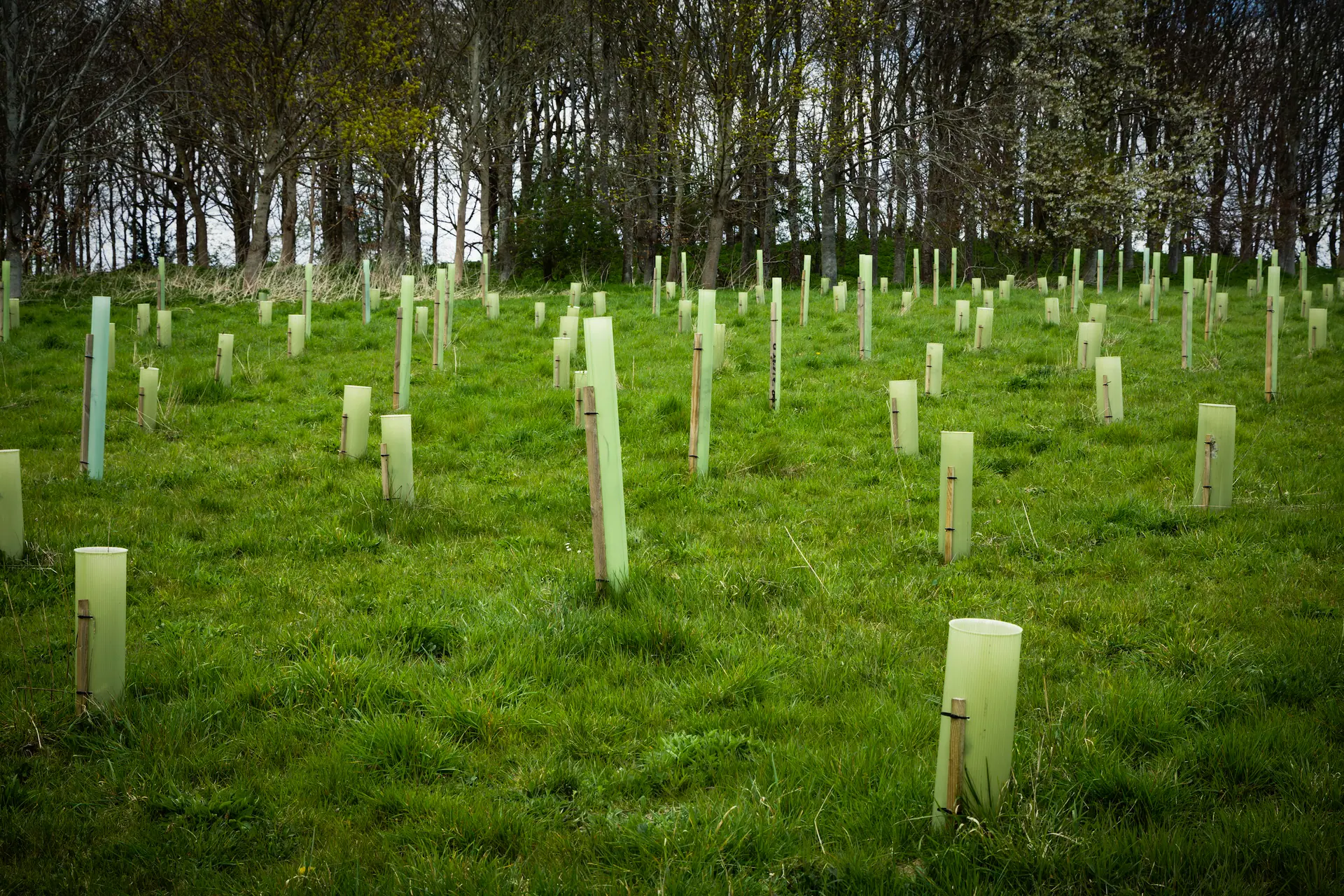
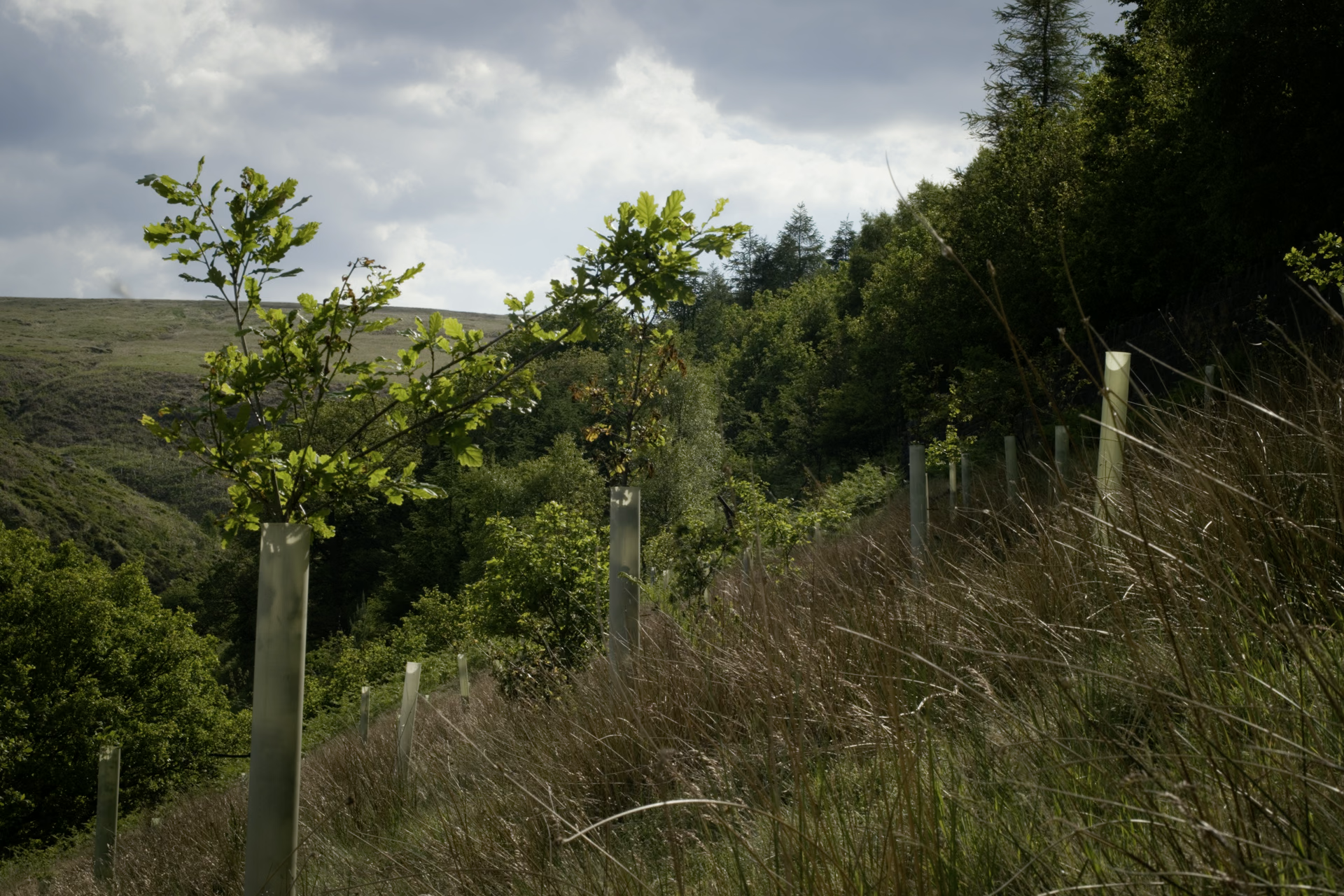
Replanting where required or beneficial
We support clients with restocking after felling, and offer advice on species selection to encourage long-term woodland health.

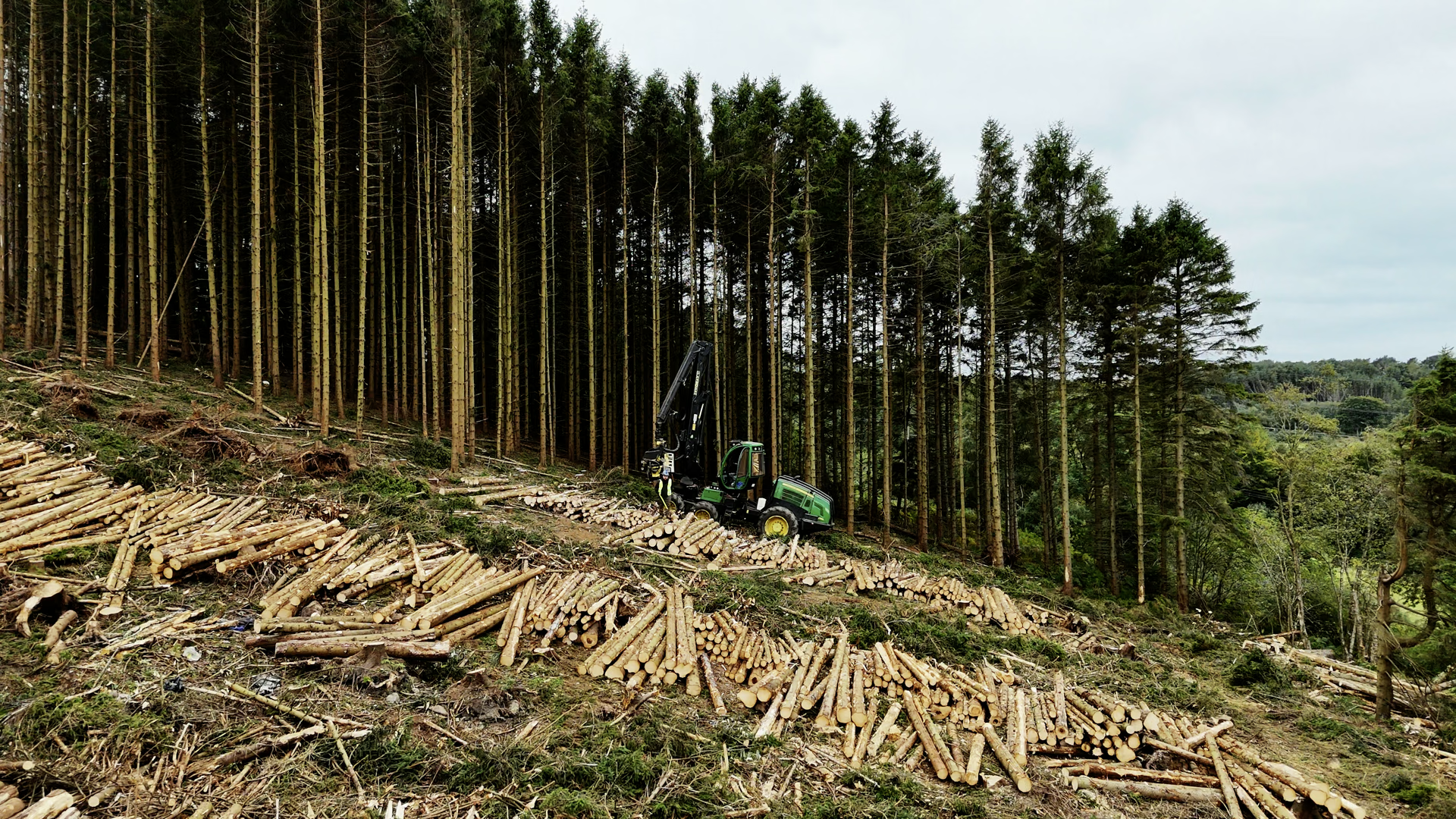
Minimising ground damage during clearance and extraction
We choose the right method and machinery to suit the terrain — and avoid overworking sensitive areas.

Using approved chemical products responsibly
Our spraying work is carried out under the proper licenses, and always in line with SEPA and environmental guidance.

Handling waste and timber responsibly
From mulching to chipping to full extraction, we make sure materials are reused or removed cleanly and efficiently.
Working with the land, not against it
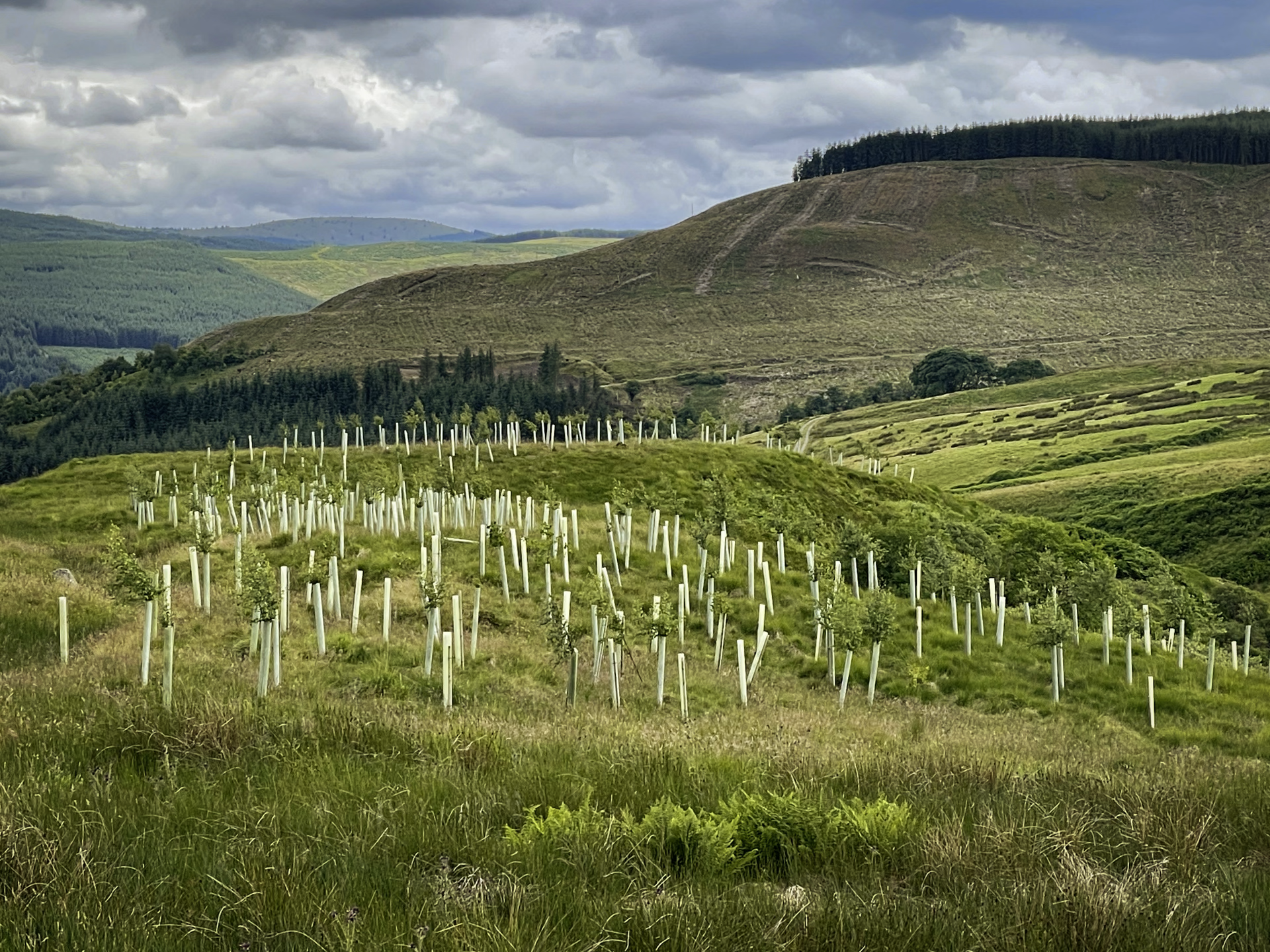
Good land management isn’t just about finishing a job — it’s about thinking ahead. That’s why we:
- Offer follow-up maintenance on new planting
- Build in long-term woodland planning when needed
- Avoid shortcuts that cause problems later
- Leave access routes, fencing lines, and woodland edges tidy and usable
Our goal is simple: do the job properly and leave the land in good shape.
Regulations and Best Practices
We follow relevant guidance and standards from:




FAQs
Yes — if your trees were felled under a licence, a restocking condition usually applies. At KSM Forest and Land, we help clients across Aberdeenshire meet replanting obligations and choose the right species for long-term woodland health.
This depends on your soil, site conditions, and goals. Native species like birch, rowan, and oak are often suitable, but commercial conifers like spruce may be better for timber rotation. We offer tailored replanting plans to suit your land.
Flail mowing is ideal for dense or tall vegetation, while spraying is more effective for controlling invasive species or regrowth. Many sites benefit from both. We assess your land and recommend the most sustainable approach.
We use tracked machinery, winching, or manual methods where needed to reduce surface damage. For sensitive sites in Aberdeenshire, we plan carefully to protect soils, roots, and access routes.
Yes — we create woodland management plans for landowners, farms, and estates, including thinning, restocking, and habitat preservation strategies. Our plans are practical, long-term, and compliant with environmental standards.
We only use licensed products approved for land use in Scotland, and all work is carried out by trained, certified operators. We follow SEPA guidance and prioritise selective application to minimise chemical use.
Let's Get Your Project Moving
Whether you’re clearing a site, planting a woodland, or just need advice — we’re here to help.